When you or a loved one starts dialysis, one of the most important decisions is where to receive ongoing treatment. In Saudi Arabia, patients often choose between a general hospital nephrology unit and a dedicated kidney care center. While both provide essential dialysis services, they differ significantly in approach, expertise concentration, and patient experience. Understanding these differences helps you select the setting that best supports your long‑term health. For many patients searching for a مركز غسيل الكلى جنوب الرياض (dialysis center in South Riyadh), the goal is not just receiving treatment but receiving it in a place designed entirely around kidney care.
What a General Hospital Nephrology Unit Offers?
A general hospital nephrology unit operates within a larger medical facility that handles a wide range of acute and chronic conditions. These units are equipped to manage dialysis for inpatients and outpatients, and they offer the advantage of immediate access to other specialties like cardiology or vascular surgery within the same building. For patients with multiple unstable comorbidities, this integrated environment can be beneficial.
However, because these units are part of a large hospital, they must divide resources, staffing, and infection control protocols across many departments. Nurse‑to‑patient ratios in dialysis bays may vary, and the unit’s design might not be fully optimized for the repetitive, long‑term nature of outpatient dialysis. Additionally, scheduling flexibility is often limited, and patients may experience longer wait times during peak hours.
What a Specialized Kidney Center Brings?
A facility like Demas Kidney Care exists exclusively, or primarily, to treat kidney disease. Every clinical protocol, nursing process, and piece of equipment is focused on nephrology. This distinction creates several concrete advantages:
- Dedicated Multidisciplinary Team: Specialized centers build their entire workforce around dialysis. Consultant nephrologists, dialysis nurses, renal dietitians, and patient educators work under one roof with a single mission. This concentrated expertise often translates to better vascular access management, more precise dry weight assessment, and faster recognition of subtle dialysis complications.
- Consistent Infection Prevention: Outpatient dialysis centers are designed from the ground up for infection control in a chronic dialysis population. Screening for hepatitis B, hepatitis C, and other bloodborne pathogens is routine and strictly separated. Dedicated machines and isolation bays minimize cross‑infection risk, something that is far more challenging in a bustling general hospital where emergency cases stream in continuously.
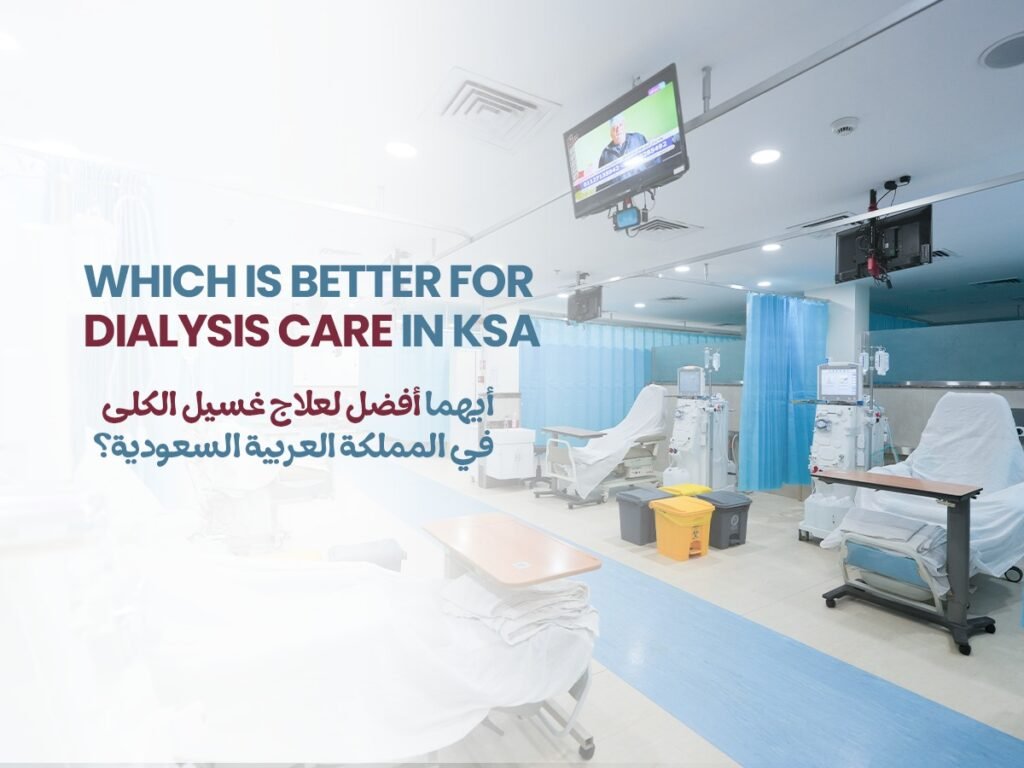
- Patient‑Centered Scheduling and Comfort: Dialysis is a lifelong commitment. Specialized centers usually offer more flexible shifts, individual TV screens, reclining treatment chairs, and a calmer atmosphere. In Riyadh, choosing a مركز غسيل الكلى جنوب الرياض that understands the community’s needs means getting care that aligns with work, school, and family rhythms, particularly during Ramadan or holiday periods.
- Comprehensive Renal Rehabilitation: Beyond the machine, a kidney center integrates dietary counseling, chronic kidney disease education, and psychosocial support. Patients learn how to manage fluid intake, adjust their diet, and recognize warning signs. Children under the care of a pediatric nephrologist benefit from age‑specific growth monitoring and family training.
- Seamless Transition Across Modalities: If your condition changes, a specialized center can smoothly transition you from in‑center hemodialysis to peritoneal dialysis or home hemodialysis under the same clinical team. This continuity is harder to achieve in a general hospital where dialysis is just one department among many.
Which Setting Is Right for You?
A general hospital nephrology unit is valuable for patients who are acutely ill, hemodynamically unstable, or require daily physician intervention from multiple specialties. For stable, long‑term outpatient dialysis, a dedicated kidney center frequently offers a more consistent, focused, and comfortable experience. The choice should always be discussed with your nephrologist, considering your medical stability, lifestyle, and personal preferences.
Make Your Dialysis Experience a Priority
Your quality of life on dialysis depends not only on the machine but on the team, the environment, and the depth of renal expertise surrounding you. A specialized kidney center invests all its resources where they matter most: your kidneys.