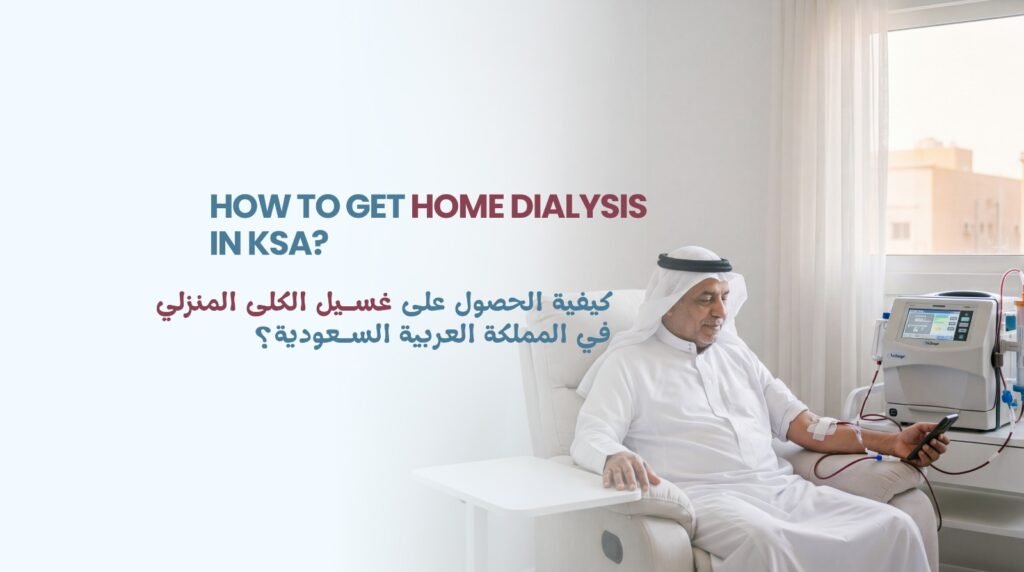
Home hemodialysis (HHD) places you at the center of your treatment, offering greater flexibility, fewer hospital visits, and the ability to dialyze in a familiar environment. In Saudi Arabia, obtaining a home hemodialysis machine involves a structured pathway that begins with a medical assessment and ends with full training and machine installation. For patients in Riyadh looking for a reliable مركز غسيل الكلى جنوب الرياض (dialysis center in South Riyadh) to guide this journey, understanding the qualification process is vital. Whether you are an adult or a parent seeking a دكتور كلى اطفال في الرياض (pediatric kidney doctor in Riyadh) for your child, the same rigorous standards ensure that only suitable candidates take home therapy forward.
Who Can Qualify for Home Hemodialysis?
Not every patient with kidney failure is an automatic candidate. The qualification process safeguards your safety and the therapy’s success. You typically need:
-
Medical Stability: Stable cardiac and blood pressure status, no active severe infections, and controlled diabetes.
-
Reliable Vascular Access: A well‑functioning arteriovenous fistula or graft that can sustain frequent needling.
-
Willingness to Learn: Both you and a dedicated care partner must complete an intensive training program (usually 4–6 weeks).
-
Suitable Home Environment: Adequate space, clean water supply, electrical capacity, and a dedicated area for the machine and supplies.
A specialist at a مركز غسيل الكلى جنوب الرياض will conduct a thorough evaluation, reviewing your dialysis history, lab results, and psychosocial readiness. For children with end‑stage renal disease, a دكتور كلى اطفال في الرياض will adjust the criteria, focusing on growth, school attendance, and parental support, because pediatric home hemodialysis demands even tighter coordination.
Step‑by‑Step: From Evaluation to Machine Installation
-
Initial Nephrologist Consultation: Speak with your treating nephrologist about your interest in home hemodialysis. The nephrologist will explain its benefits and risks compared to in‑center dialysis and peritoneal dialysis. If you decide to proceed, you will be referred to a home hemodialysis program, often located at a dedicated facility like a مركز غسيل الكلى جنوب الرياض where pre‑dialysis education and training take place.
-
Pre‑Qualification Assessment: The dialysis center team (nephrologist, dialysis nurse, renal dietitian, social worker) assesses your eligibility. This includes blood work, physical examination, and a home environment survey. Your care partner is also interviewed to confirm they can handle the responsibilities.
-
Training Program: Once approved, you and your partner enroll in hands‑on training. You learn to operate the machine, cannulate your access, manage alarms, monitor vital signs, and handle emergencies. Pediatric candidates receive additional age‑appropriate guidance from a دكتور كلى اطفال في الرياض who oversees the child’s growth and developmental needs alongside dialysis adequacy.
-
Insurance and Financial Clearance: Home hemodialysis machines and ongoing supplies are covered under many Saudi health insurance plans and the Ministry of Health for eligible citizens. The dialysis center coordinates with your insurer to secure pre‑approval. Costs may include machine lease, consumables, water treatment system, and increased electricity consumption, so it is important to understand what your coverage includes.
-
Machine Delivery and Home Setup: After successful training, a technician installs the hemodialysis machine and reverse‑osmosis water purification unit in your home. They test the setup, ensure safety, and confirm that the system meets standards. The center continues to provide 24/7 telephone support and monthly on‑site visits by a nurse for quality checks and blood tests.
Ongoing Support and Monitoring
Home hemodialysis does not mean you are alone. You maintain a tight connection with your مركز غسيل الكلى جنوب الرياض through regular clinic visits, remote monitoring of treatment data, and resupply deliveries. For children, the pediatric nephrology team continues to monitor nutritional status, anemia, and growth parameters, ensuring the home therapy remains optimal.
Take the First Step Toward Home Dialysis Freedom
Transitioning to home hemodialysis can profoundly improve your quality of life. Whether you are an adult seeking independence or a parent wondering if a دكتور كلى اطفال في الرياض can help your child avoid frequent hospital trips, the pathway is clear and well‑supported.