Choosing a dialysis modality is one of the most personal decisions you will make after a kidney failure diagnosis. In Riyadh, patients typically weigh two main paths: receiving treatment at a dialysis center or performing dialysis at home. Each approach has distinct medical, logistical, and lifestyle implications. The right choice depends on your clinical stability, home environment, family support, and personal goals. Understanding the differences between in-center hemodialysis and home dialysis helps you make an informed decision that aligns with your health and daily life.
Understanding In-Center Hemodialysis
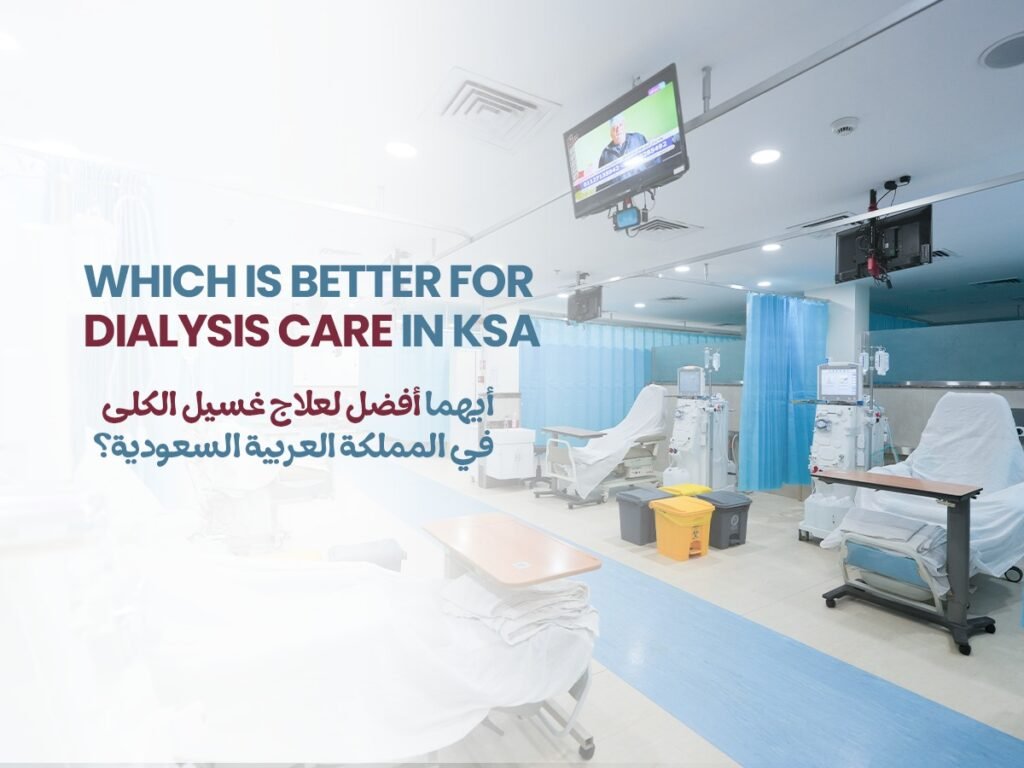
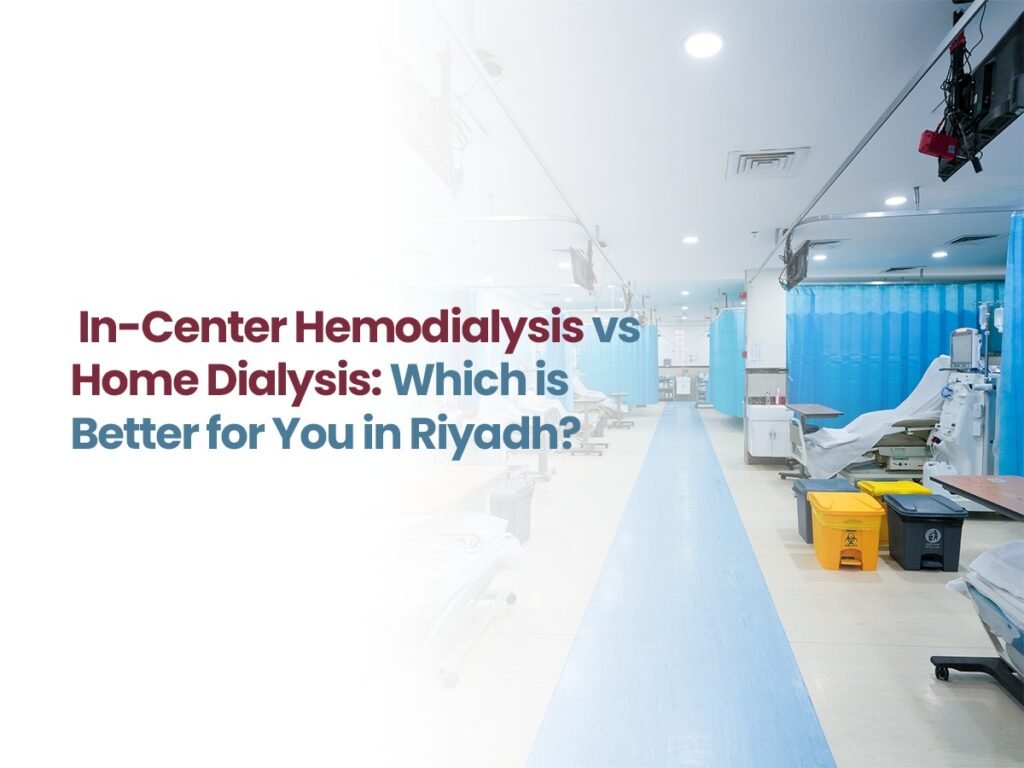
In-center hemodialysis is the most widely recognized form of treatment. You visit a specialized dialysis facility(مرفق غسيل الكلى), usually three times a week, for sessions lasting about four hours each. Highly trained nurses connect you to a dialysis machine that filters your blood, removes toxins, and manages fluid balance. A nephrologist oversees your care, and the clinic manages all supplies, water treatment, and machine maintenance.
This model offers a structured routine and constant professional supervision. If you have unstable blood pressure, ongoing infections, or need frequent physician intervention, the in-center setting provides immediate access to a medical team. However, the fixed schedule can be restrictive for working adults, students, or parents. Travel to and from the clinic also demands time and can be tiring after treatment.
Exploring Home Dialysis Options
Home dialysis includes two primary modalities: peritoneal dialysis (PD) (غسيل الكلى البريتوني) and home hemodialysis (غسيل الكلى المنزلي). Peritoneal dialysis uses the lining of your abdomen to filter blood inside your body, typically performed nightly with a cycler machine or through manual exchanges during the day. Home hemodialysis uses a smaller, patient‑friendly machine that you and a care partner operate after completing comprehensive training.
Home dialysis shifts control back to you. It allows more frequent and flexible treatments, which can result in gentler fluid removal, better blood pressure control, and fewer dietary restrictions. Many patients report improved energy levels and a greater ability to work or care for their families. A specialized kidney center(مركز الكلى المتخصص) will train you and your partner over several weeks, ensuring you can handle the machine, troubleshoot alarms, and maintain strict hygiene. After certification, you receive ongoing support through remote monitoring, regular clinic visits, and 24/7 telephone access to a nurse.
Factors That Shape Your Decision
- Medical Suitability: Your nephrologist will assess your heart function, vascular access (for HHD) or peritoneal membrane integrity (for PD), and any physical or cognitive limitations.
- Home Environment: Adequate storage space, clean water supply, and a dedicated area for the machine and supplies are essential. A home visit from the dialysis team confirms readiness.
- Care Partner Support: Home dialysis requires a committed family member or friend who trains alongside you and helps during every treatment. Without a reliable care partner, home therapy may not be safe.
- Lifestyle Preferences: If you value flexibility and want to work full‑time, travel, or avoid frequent clinic commutes, home dialysis can be transformative. In contrast, some patients prefer the social interaction and clear separation of medical care from home life that in-center dialysis provides.
- Age and Pediatric Considerations: Children with kidney failure often benefit from home dialysis to maintain school attendance and normal development. Specialized pediatric nephrology(طب الكلى للأطفال) support ensures the treatment fits their growth needs.
Cost and Insurance Coverage in Saudi Arabia
In Saudi Arabia, both in-center and home dialysis are covered by the Ministry of Health and many private insurers for eligible citizens and residents. Home dialysis may require prior authorization for the machine lease and disposable supplies. The dialysis center coordinates with your insurance to clarify coverage. While home dialysis reduces transportation costs, it does increase household electricity and water usage slightly.
Making Your Choice with Expert Guidance
There is no universally better option. The best modality is the one that safely fits your medical needs, personal circumstances, and quality-of-life goals. A multidisciplinary team at a dedicated kidney care center will walk you through a thorough education program, letting you experience each option before committing.
Take the Next Step Toward Personalized Dialysis
Your dialysis journey should be built around your life, not the other way around. Contact Demas Kidney Care in Riyadh (اتصل بمركز ديماس للعناية بالكلى في الرياض) to schedule a comprehensive modality education session. Our nephrologists and dialysis nurses will help you compare in-center and home dialysis and guide you toward the treatment that best supports your health and independence.