Welcome to Demas Kidney Care, a trusted provider of specialized kidney care and dialysis services in Saudi Arabia since 2011. For more than a decade, our experienced team has offered advanced treatments, personalized care plans, and a supportive, culturally sensitive environment for patients facing kidney disease. Because kidneys work quietly in the background filtering waste, balancing fluids and electrolytes, regulating blood pressure, and stimulating red‑blood‑cell production, the earliest warning signs of trouble are easy to miss. Recognizing those clues and seeking timely help from a nephrologist can prevent irreversible damage and safeguard your overall health.
Why Your Kidneys Matter?
Each day, two fist‑sized organs beneath your rib cage filter about 120–150 quarts of blood, producing 1–2 quarts of urine. When kidney function declines, waste and excess fluid accumulate in every tissue, triggering fatigue, swelling, hypertension, anemia, and even heart or lung complications. Catching problems early keeps them from progressing to chronic kidney disease (CKD) or end‑stage renal disease (ESRD), where dialysis or a transplant becomes necessary.
What Exactly Is a Kidney Specialist?
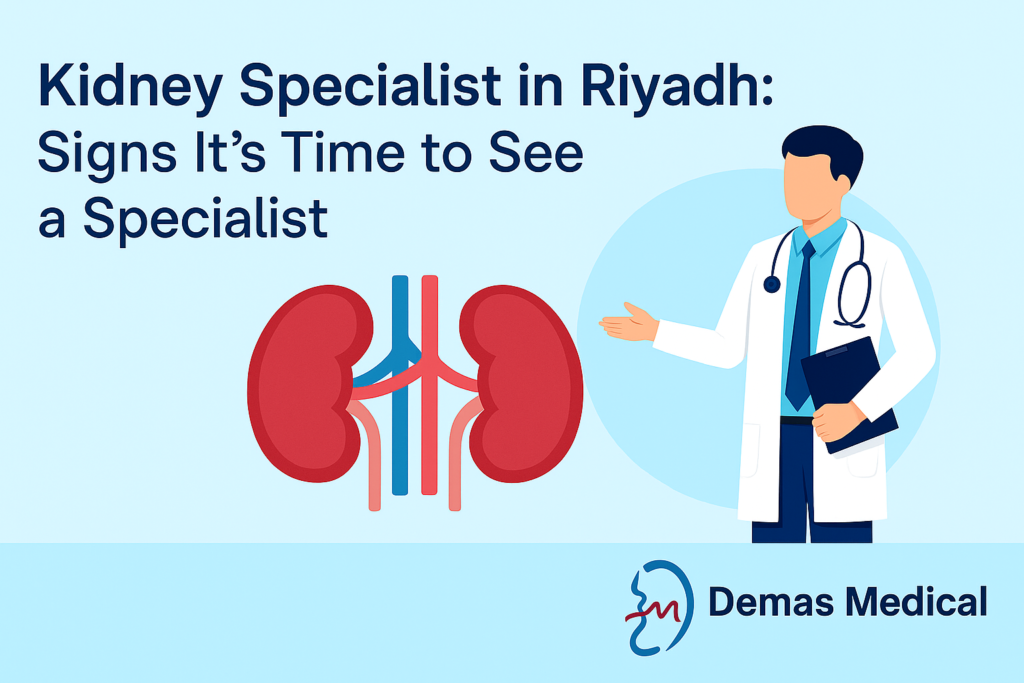
A nephrologist is a physician who has completed advanced training in diagnosing and treating kidney‑related conditions such as CKD, acute kidney injury (AKI), kidney stones, glomerulonephritis, and inherited disorders like polycystic kidney disease. Nephrologists also manage dialysis programs, oversee kidney transplant care, and collaborate with cardiologists, endocrinologists, and primary‑care physicians to treat the whole patient, not just the kidneys.
Key Signs You Should Book an Appointment
While many symptoms overlap with other illnesses, the following red flags often point toward kidney trouble:
|
Warning Sign |
Why It Happens |
|
Persistent fatigue and weakness |
Toxin build‑up and anemia reduce oxygen flow to muscles athe nd brain. |
|
Swelling (edema) in the feet, ankles, or around the eyes |
Fluid that should be excreted instead leaks into tissues. |
|
High blood pressure |
Diseased kidneys struggle to balance sodium and fluid, elevating blood pressure and further damaging kidney vessels. |
|
Blood in urine (hematuria) |
May signal infection, stones, or more serious structural issues. |
|
Foamy, cloudy, or dark urine |
Excess protein or waste particles indicate filtration problems. |
|
Frequent nighttime urination (nocturia) |
Kidneys cannot concentrate urine effectively. |
|
Loss of appetite, nausea, or metallic taste |
Uremic toxins irritate the digestive tract and alter taste buds. |
|
Lower back or side pain |
Can stem from stones, infection, or cysts pressing on the surrounding tissue. |
|
Shortness of breath |
Fluid may accumulate in the lungs, or anemia may reduce oxygen delivery. |
Pro tip: If you have diabetes, hypertension, heart disease, or a family history of kidney disorders, treat these signs as “amber” lights; don’t wait for them to turn “red.”
When to Call a Doctor Immediately
Certain scenarios warrant urgent medical attention rather than a routine appointment:
- Sudden, severe flank pain accompanied by nausea possible kidney stone obstruction.
- Visible blood clots in urine or a drop‑like “cola” coloration could indicate serious infection or a tumor.
- Rapid, unexplained weight gain (more than 2 kg in a few days) from fluid retention.
- Confusion, drowsiness, or seizures may indicate uremic encephalopathy from toxin overload.
Dial your nearest emergency department or call your doctor right away if any of these occur.
Choosing the Right Nephrologist: Why Demas Kidney Care?
- Deep Experience: Since 2011, Demas Kidney Care board‑certified nephrologists have managed thousands of CKD and dialysis cases across Saudi Arabia.
- Comprehensive Services: On‑site labs, imaging, and state‑of‑the‑art hemodialysis and peritoneal dialysis units mean you receive seamless care under one roof.
- Personalized Plans: We tailor medication regimens, nutrition counseling, and lifestyle guidance to each patient’s cultural preferences and medical needs.
- Collaborative Care: Our team coordinates with cardiology, endocrinology, and transplant specialists when complex conditions overlap.
- Patient‑Centric Environment: Comfortable dialysis suites, private consultation rooms, Arabic‑speaking support staff, and flexible scheduling place your wellbeing and your family’s peace of mind first.
What to Expect at Your First Visit?
- Comprehensive history & physical exam focused on blood‑pressure trends, medication use, and family risk factors.
- Lab work: Serum creatinine, eGFR, electrolyte panel, fasting glucose, and lipid profile.
- Urine tests: Dipstick for protein or blood, followed by a 24‑hour urine collection if needed.
- Imaging: Renal ultrasound detects size discrepancies, cysts, or obstructions; CT or MRI may follow for detailed mapping.
- Next‑step plan: You’ll leave with a clear roadmap, whether that involves lifestyle tweaks, medication adjustments, or further monitoring.
Protecting Your Kidneys Between Visits
- Manage blood sugar and pressure within the targets your doctor sets.
- Stay hydrated, but ask about ideal fluid limits if you already have CKD.
- Limit sodium (no more than 2,300 mg per day) and avoid excessive protein unless prescribed.
- Quit smoking and moderate alcohol intake.
- Review medications with your nephrologist; some painkillers, antibiotics, and contrast dyes are kidney‑toxic.
- Exercise regularly (150 minutes of moderate activity weekly) to boost circulation and maintain a healthy weight.
FAQs
Q : Can early kidney damage be reversed?
A : When detected early, especially if caused by dehydration, infection, or uncontrolled blood pressure, kidney impairment can often be halted or even improved. Once scarring advances, the focus shifts to slowing progression.
Q : I have no symptoms, so do I still need screening?
A : If you’re over 40, diabetic, hypertensive, or have a family history of kidney disease, annual blood and urine tests are wise. Silent kidney loss can reach 70 % before symptoms appear.
Q : How long does a dialysis session last at Demas Kidney Care?
A : In‑center hemodialysis typically runs four hours three times per week. We also offer home dialysis training for suitable patients seeking flexible schedules.
Q : Is transplantation available in Saudi Arabia?
A : Yes. Our nephrologists partner with accredited transplant centers for evaluation, surgery, and lifelong follow‑up.
Takeaway
Kidneys rarely cry out for help until damage is advanced, but your body whispers warnings long before that. Notice persistent fatigue, swelling, or changes in urine? Listen to those whispers and book a consultation with the Demas Kidney Care team today. Early action not only preserves kidney function but also supports heart health, immune strength, and overall vitality. Your kidneys work tirelessly for you; let’s return the favor.